Altitude, not fitness, is the biggest factor in Kilimanjaro summit success — here's how proper route choice and pacing manage it.
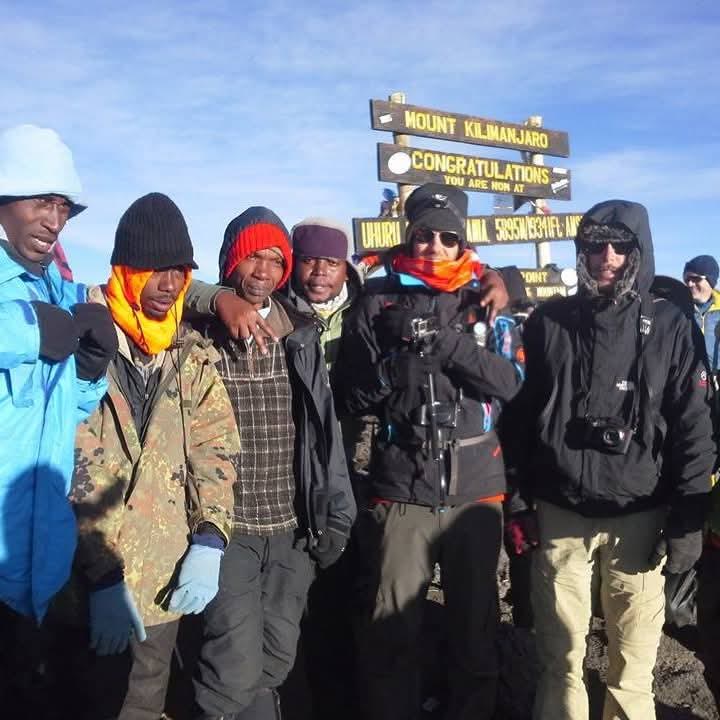
Uhuru Peak sits at 5,895m, where the air holds roughly half the oxygen available at sea level. Altitude sickness can affect even very fit climbers who ascend too quickly, which is exactly why route length and pacing matter more to summit success than raw physical fitness.
Several Kilimanjaro routes are deliberately designed so you climb to a higher altitude during the day before descending to sleep lower — a proven acclimatization strategy your guide will pace throughout the trek.
Every extra day on the mountain gives your body more time to adjust to reduced oxygen, which is why 7 and 8-day itineraries consistently outperform 5 and 6-day versions on summit success rate.
Mild symptoms (headache, nausea, fatigue) are common and usually manage with slower pacing, hydration and rest. Your guide monitors every climber daily and will recommend descent if symptoms become severe.
"Slowly, slowly" in Swahili — the deliberately slow pace your guides set isn't laziness, it's the single most effective acclimatization tool available on the mountain.
Tell us your preferred route, dates and group size and our local mountain team will build your climb.
Get Your Free Quote