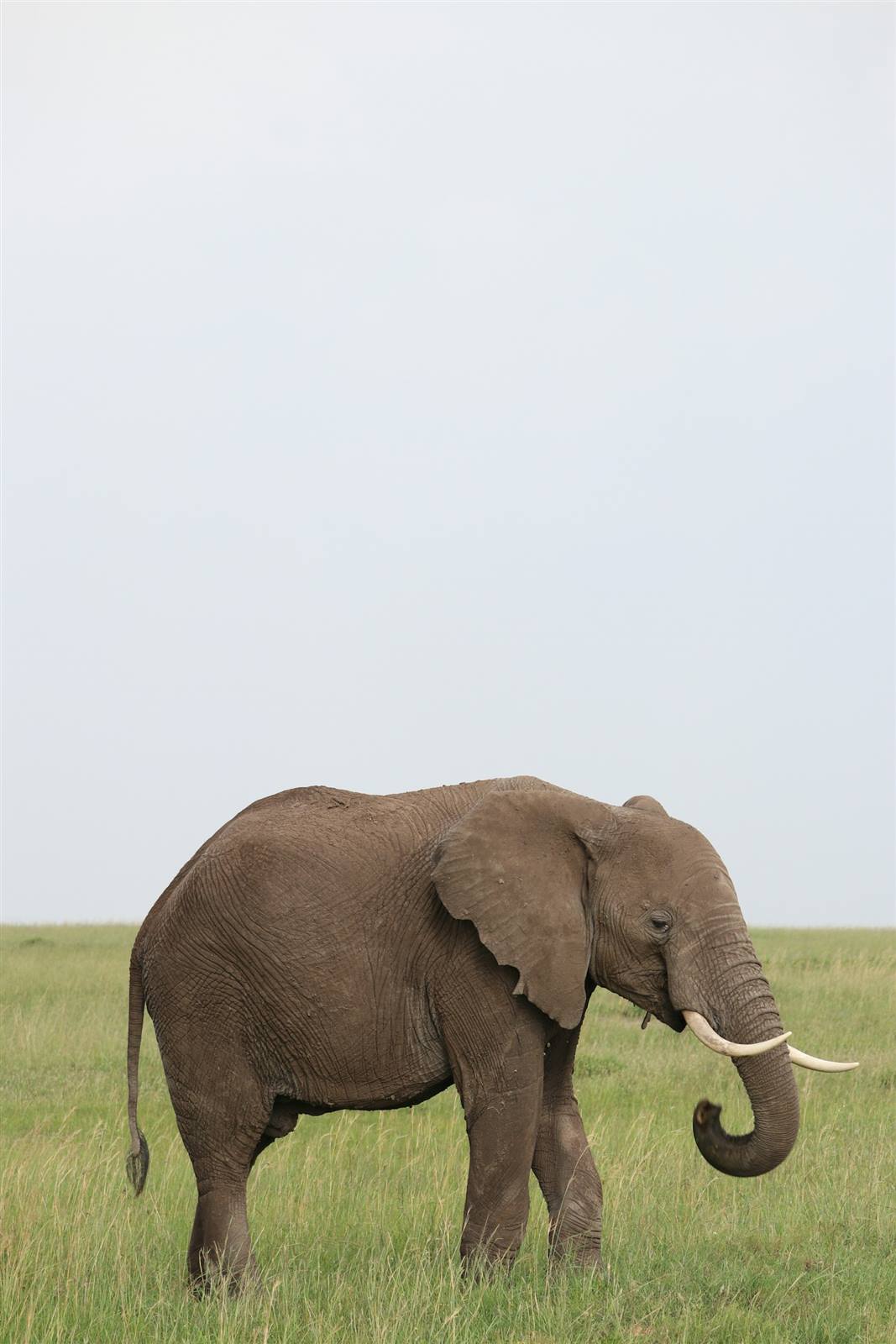
An extinct volcanic caldera holding one of the highest densities of wildlife anywhere in Africa — and one of the very few places where the Maasai still graze cattle alongside lion, elephant and rhino.
Roughly 2.5 million years ago a volcano larger than Kilimanjaro collapsed in on itself, leaving behind a caldera 600 metres deep and 19 kilometres across. Wildlife rarely needs to leave it — permanent water and grassland keep the crater floor stocked year-round, making it one of the most reliable places on the planet to see all of the Big Five in a single game drive.
A descent onto the caldera floor for a full day among dense concentrations of lion, elephant, buffalo, hippo and rhino.
A soda lake on the crater floor that regularly hosts thousands of flamingos.
One of the world's most important paleoanthropological sites, an easy add-on nearby.
Ngorongoro's wildlife is resident year-round, so there's no strict best season. The dry months (June to October) offer the clearest skies and easiest roads; the wet season (November to May) is quieter, greener and excellent for photography, with calving season adding newborn wildlife to the crater floor.
This destination can stand alone or combine with other parks, Kilimanjaro or Zanzibar into one seamless itinerary. Tell us your dates and travel style for a personalized quote.
Get Your Free Quote